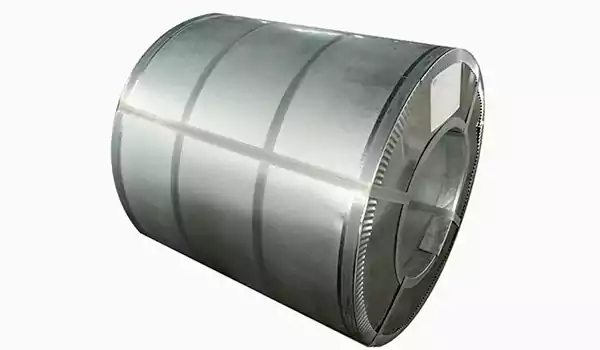
Opting for the best metal conduit for construction needs is contingent on insight into its parameters and potential roles. Routine specs refer to metal grade, cross-section, span, and tolerance ranges. Criteria like pressure specifications, temperature capability, and corrosion immunity matter for industrial, commercial and residential piping. Metallic pipes are utilized in construction sites, factory setups, infrastructure schemes, water distribution, gas transmission, wastewater lines, supportive frameworks and dedicated industries
- Knowing project-specific constraints is critical to pick the right conduit
- Consult official guidelines and industry norms to clarify metal pipe requirements
- Determine material selection through pressure ratings, temperature tolerance and corrosion concerns
Tube Steel: Strength, Durability, and Versatility
Drawn steel tubes are celebrated for their load-bearing power and are commonly used in industrial, structural and commercial applications. Their remarkable lifespan comes from specific construction and forming techniques. Created through drawing or welding steel feedstock into tube forms, they offer high resistance to corrosion and mechanical wear, supporting long-term use in extreme conditions. Adaptable tube steel profiles can be manufactured as round, square, rectangular or custom sections to suit particular design requirements. Used across heavy infrastructure, architectural frameworks and complex mechanical assemblies, tube steel's resilient strength, extended durability and versatility make it a cornerstone of modern industryExpanded Metal Panels: Boosted Security and Safety
Expanded metal mesh is a popular option where both sturdy security and enhanced safety are priorities. The open configuration enables sightlines and simultaneously acts as a barrier to prevent unauthorized entry and reduce hazards. Customization options cover different opening sizes and material thicknesses for target performance
- Durable expanded metal resists mechanical impact, vandal attacks and inclement weather
- What's more, effortless installation and low-care needs boost its usage across different domains
- When securing critical systems and protecting staff in industrial environments, expanded metal acts as a broad protective measure
Industrial Applications of Steel Mesh
Steel mesh sees broad industrial application due to high strength, long life and adaptable function. It provides a sturdy framework for filtration, screening, reinforcement and protection purposes. Construction projects commonly incorporate steel mesh to reinforce concrete, improving tensile capability and reducing crack risk. Also, it finds use in bridges, tunnels and large engineering schemes for reinforcement and load-bearing roles. In manufacturing, steel mesh becomes a key part of industrial screens and filters where its fine or dense weave separates materials of different sizes for sieving, sorting and purification. Steel mesh fulfills safety functions in guardrails, fences and enclosures that block unauthorized access and shield personnel. The material's tensile resilience enables it to handle impact and force, ensuring reliable protection under demanding conditions
Metal Pipes for Structural Support
The strong character of metal pipes ensures their value in a broad range of structural uses. Their versatility enables erecting sturdy frameworks that handle weight-bearing duties in different sectors. From skyscrapers to bridges and underground pipelines, metal pipes provide a backbone and withstand rigorous environmental pressures and exposures. Corrosion resistance combined with straightforward fabrication boosts their relevance in current building methods
Choosing Suitable Tube Steel for Your Needs
In any structural or fabrication project, selecting suitable tube steel is a major consideration. Tube steel provides a balance of strength, durability and relatively light weight making it suited to many uses. Still, with numerous grades and technical specs to consider, selecting tube steel may be daunting
- Consider application, loading needs and environmental exposures for successful selection
- Key factors including wall thickness, diameter and grade directly shape tube steel performance
A robust structural application may require heavy-gauge, high-yield tube steel with thick walls whereas lighter-duty uses such as bicycle frames benefit from thinner-walled, lightweight steel
Seek guidance from professional engineers or reputable metal vendors to determine the best tube steel for your requirements
Upsides of Expanded Metal in Building Projects
Expanded metal provides several functional and performance benefits suited to construction. Being lightweight it simplifies handling and installation while cutting labor expenses. What's more, the open configuration improves ventilation and drainage and helps prevent moisture buildup. Its durability makes it suitable for high-resistance applicationsMetal Pipe Connection Fundamentals
Pipe coupling types serve as critical elements in plumbing systems for carrying fluids and gases effectively. Connection choice should consider pipe diameter, material grade, pressure rating and functional application. Widely implemented connection types are threaded, flanged and welded joints, each giving particular strength and sealing traits. expanded metal sheet Threaded fittings employ screw threads to join, flanged fittings rely on bolted mating faces, and welded fittings permanently join metal by melting and pressure. Understanding characteristics of each joint type is crucial for achieving leak-free, operational pipingMake-and-Create Uses of Steel Mesh
Steel mesh provides robustness, longevity and flexibility for diverse DIY tasks. Because of its open interconnected pattern it works well for fences, screening panels and decorative accents. Also, its easy-to-handle, lightweight nature makes it popular with both beginner and skilled DIY enthusiasts
- Consider integrating steel mesh into your next do-it-yourself plan
Metal Pipes: From Plumbing to Structural Support
Metal pipes serve as vital components in contemporary building and infrastructure for strength, durability and versatility. While once primarily for plumbing, metal pipes have developed into structural reinforcement and support elements. From building bases to distribution networks for water and gas, metal pipes play key practical roles in infrastructure and daily life. Robust construction allows them to manage high pressures and loads and corrosion resistance delivers dependable long-term performance. Additionally, pipes are highly formable and adaptable to various configurations to meet diverse application needs
Expanded Metal: Creative Designs and Functional Uses
Expanded metal allows innovative design approaches while maintaining solid functional performance. Its open structure supports versatile applications from architectural accents to industrial safety systems. Because it is strong, expanded metal can handle significant loads while remaining visually attractive
- Moreover, expanded metal's open structure boosts ventilation and supports applications requiring heat dissipation
- Expanded metal finds application in construction, production, transport, automotive and decorative design industries